

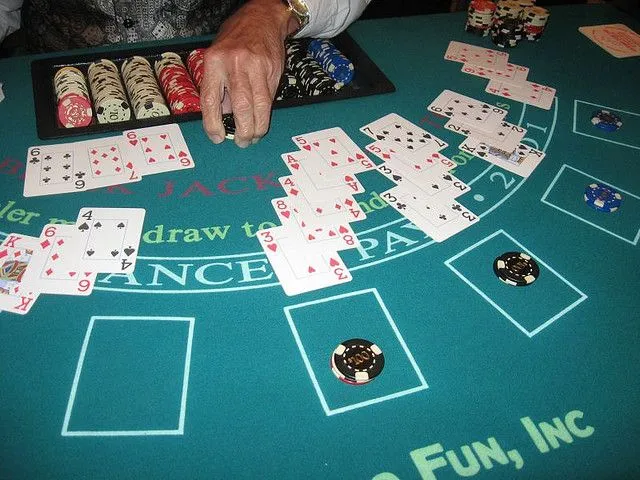
Blackjack is usually associated with decisions such as hit, stand, double, and split, but many live tables also offer optional side bets. Someone browsing a Live Casino Malaysia section may see names such as Perfect Pairs or 21+3 beside the standard betting area. These wagers use different conditions from ordinary blackjack and are settled separately from whether the player beats the dealer. Understanding their structure helps explain why the main hand and a side market can produce completely different results in the same round.
Side Bets Sit Beside the Main Hand
A side bet is an additional wager placed before the cards are dealt. It usually depends on a specific combination involving the player’s first cards, the dealer’s visible card, or another defined condition.
The main blackjack hand continues under the ordinary table rules. A side bet can win even if the player later loses to the dealer, and it can lose when the main hand succeeds. The two wagers should therefore be treated separately.
Perfect Pairs Focus on Matching Cards
Perfect Pairs is built around the player’s first two cards. The basic requirement is that both cards share the same rank, although the payout can depend on how closely they match.
Different tables may distinguish between mixed pairs, colored pairs, and perfect pairs. The exact definitions and payout ratios vary by provider, so the paytable should be checked before assuming every table uses the same categories.
A Perfect Pair Is More Specific
A perfect pair generally requires two cards of the same rank and the same suit. Because this is more specific than simply receiving two cards of the same rank, the payout is normally higher.
Someone exploring a Casino Malaysia table should still verify the rules because deck count and provider design can affect how pair combinations are defined and how each qualifying result is paid.
What 21+3 Uses
The 21+3 side bet combines the player’s first two cards with the dealer’s upcard to create a three-card poker-style hand. The main blackjack total is not what determines this wager.
Qualifying combinations can include a flush, straight, three of a kind, straight flush, or suited three of a kind, depending on the table. Each combination can carry a different payout, making the paytable especially important.
Blackjack and Poker Logic Stay Separate
The 21+3 market borrows poker-style rankings, but the blackjack hand still uses ordinary blackjack scoring. An opening combination can form a qualifying side-bet hand while the player’s actual blackjack total remains based only on the cards belonging to that seat.
The side bet is settled using its own condition, while the main hand continues independently against the dealer. Keeping those two calculations separate prevents confusion.
Higher Payouts Reflect Narrower Outcomes
Side bets often display larger payout ratios than the main blackjack wager. Those figures can look attractive, but they normally correspond to less frequent combinations.
A highly specific result such as a suited three of a kind requires more conditions to align than a basic pair. The larger payout should therefore be understood as compensation for a rarer event rather than evidence of a better chance of winning.
Deck Count Can Affect Frequency
Live blackjack commonly uses multiple decks, so more than one copy of the same rank and suit can exist in the shoe. That matters for pair-based side bets because the available combinations differ from a single-deck game.
Players should not assume probabilities from a home card game apply directly to a live table. Deck count and the provider’s paytable both influence the structure of optional wagers.
Extra Bets Increase the Total Stake
Adding one or two side bets can make the amount risked in a single round much larger than the main blackjack stake alone. A user may focus on each small optional wager without noticing the combined total.
Tracking the full amount committed to the round is more useful than considering each side bet separately. Optional markets should fit within the same predetermined entertainment budget as the main game.
Conclusion
Blackjack side bets add extra conditions without changing the objective of the main hand. Perfect Pairs focuses on matching opening cards, while 21+3 combines the player’s first two cards with the dealer’s upcard to form poker-style combinations. Each wager has its own rules, probabilities, and paytable.
The key is to separate side-bet logic from ordinary blackjack settlement. Larger advertised payouts usually reflect narrower winning conditions, not greater certainty. Reading the paytable, checking the deck setup, and tracking the combined stake makes these optional markets easier to understand.